XQ series
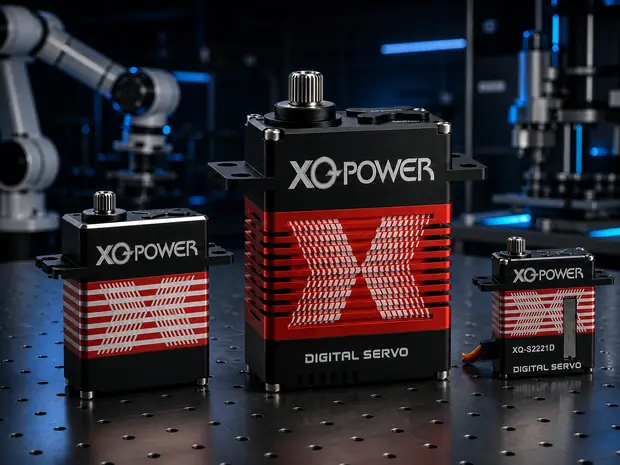
Robotic servo actuators
Sealed joint actuators for load-bearing robot joints. Dual protocol input, absolute magnetic feedback, published torque and efficiency curves.
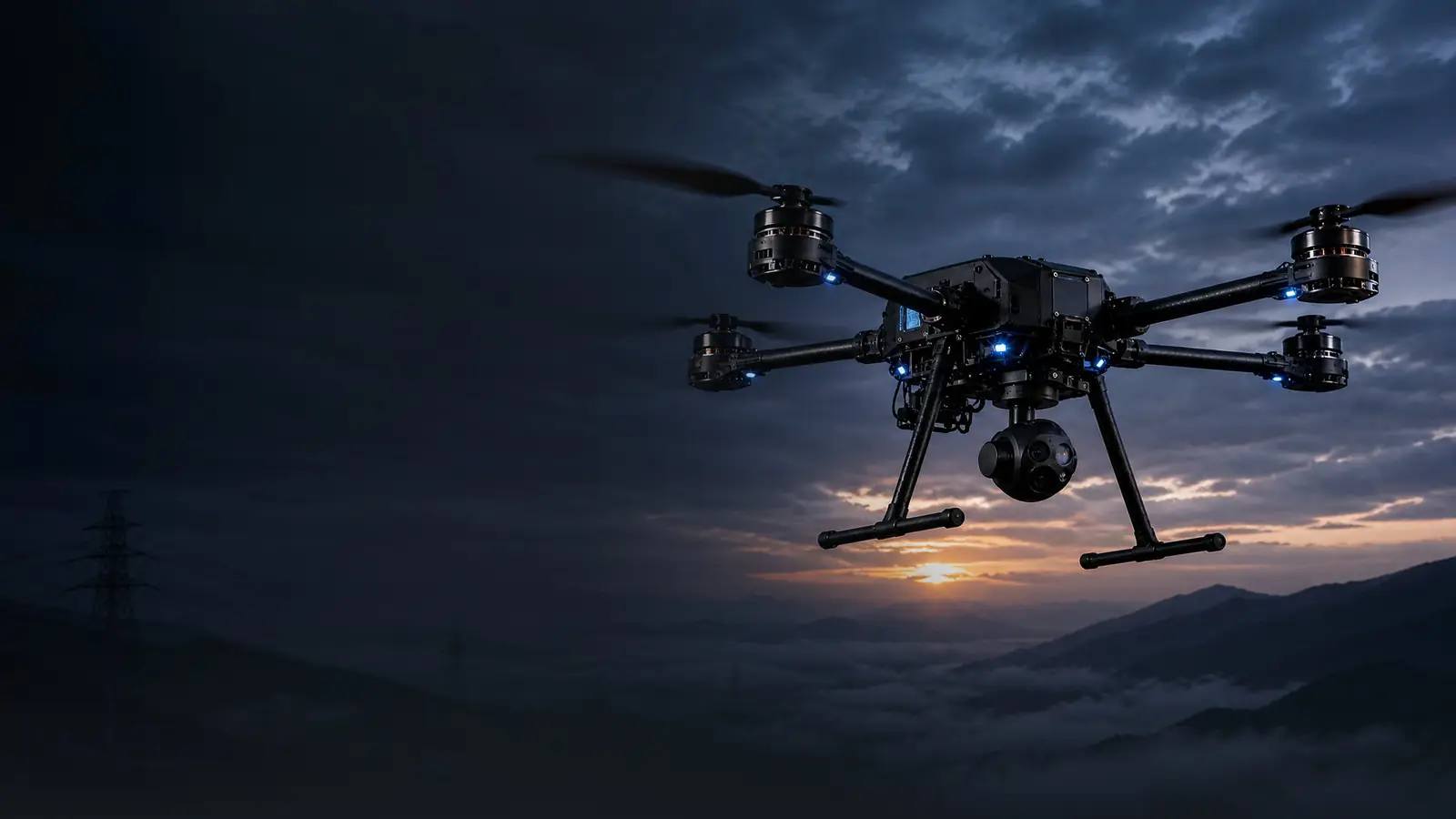
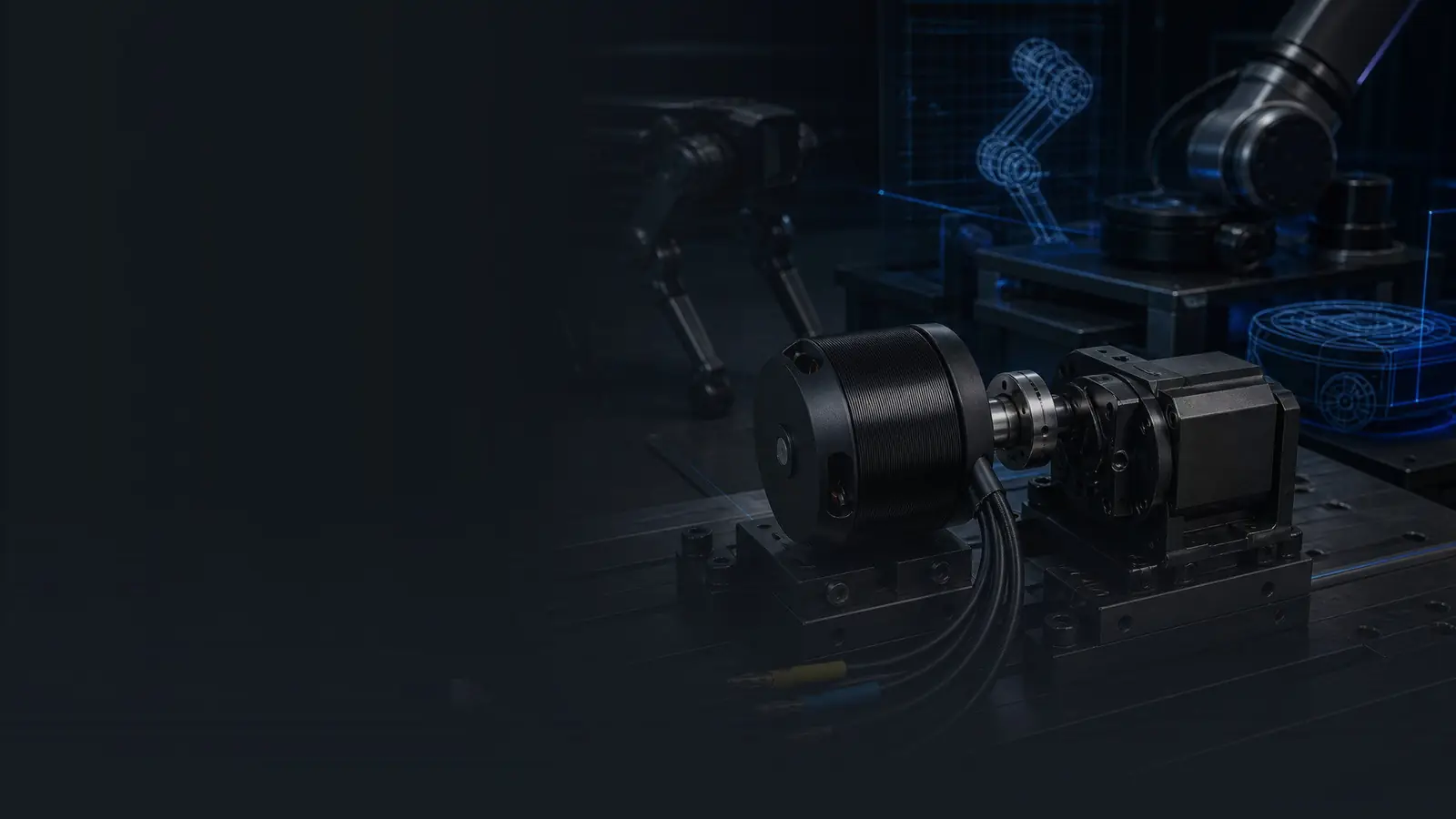
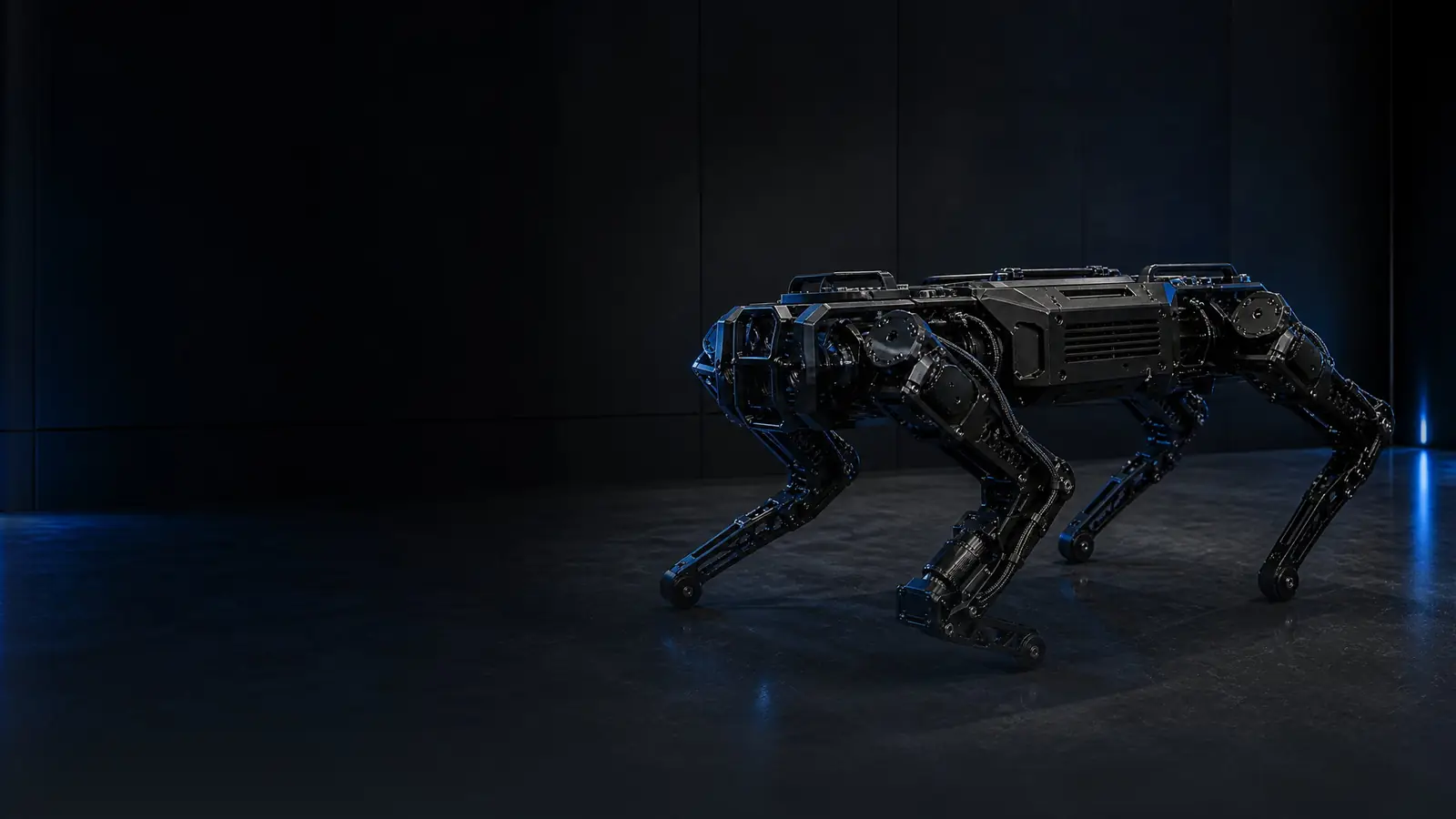
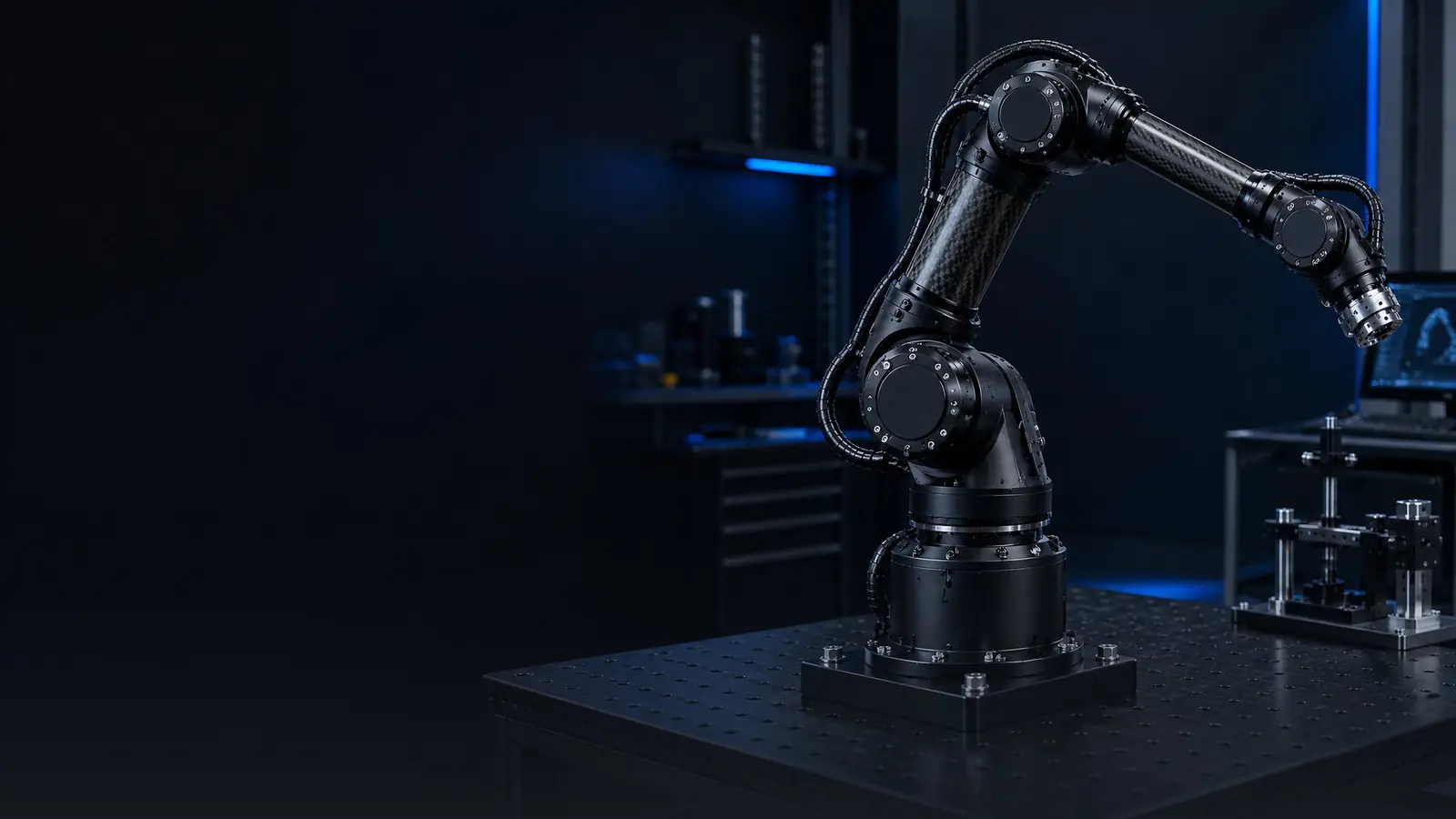
Sealed joint modules, stator and rotor kits, custom linear actuators and UAV propulsion sets — engineered, tested and documented in one facility, with the datasheets published before you ask.
What we do
Design, machining and testing stay in one facility, which is why we can act as a linear actuator manufacturer for custom envelopes rather than only as a catalogue supplier of standard units.
UAV propulsion sets come out of the same winding, magnet and sealing work. A drone programme and a robot programme then share one supply chain, one test bench and one set of drawings.
Sealed joint modules with absolute feedback, sized by peak and continuous torque at the joint rather than by frame size.
Stator and rotor sets for direct-drive joints where a housed motor will not fit the envelope.
Push-pull units for lift, clamp and tilt mechanisms, matched to the same drive electronics.
Brushless disc motor, ESC and propeller matched as one thrust set for inspection drones and fixed-wing VTOL airframes.
Joint actuation
A robot joint actuator is a complete drive: motor, reducer, encoder and interface in one sealed housing. You bolt it on and command a joint angle.
Inside one housing: a frameless or housed brushless motor, a strain-wave or planetary reducer, an absolute magnetic encoder and the drive electronics. The output flange is the joint. That is the whole argument for buying one — a single part number replaces four procurement lines, and the sealing, thermal path and encoder calibration are already validated together.
We size robot joint actuators by continuous and peak torque at the output, plus the duty cycle that separates them. Frame size comes last, because two modules of the same diameter can differ by a factor of three in continuous torque once the winding and the reducer ratio change.
| Parameter | What we quote |
|---|---|
| Output torque | 2 – 39 N·m standard range; above that quoted as a custom envelope |
| Peak / continuous | Peak window defined by your duty cycle, not by a fixed multiplier |
| Feedback | Absolute magnetic encoder, output side or motor side |
| Interface | PWM · SBUS · RS-485 / Modbus · CAN |
| Sealing | IP67 standard; IP68 on request with pressure-cycle test |
| Drive | Integrated FOC stage, or bare motor leads if you close the loop |
| Documentation | Datasheet, 2D drawing, STEP model, torque–speed and efficiency curves |
| Status | Engineering samples and co-development slots; series quote follows the signed test report |
Direct drive
A frameless torque motor arrives as two rings. No housing, no bearings, no shaft — your joint structure becomes the motor frame.
A frameless torque motor is a permanent-magnet synchronous motor supplied without a housing, bearings or output shaft. It consists of a stator — laminated steel with copper windings — and a rotor carrying NdFeB magnets. The rotor mounts directly on the joint axis; the stator is clamped into a bore you machine yourself. Torque is delivered with no gearbox, belt or coupling in the path, so backlash is zero and stiffness is set by your structure rather than by a reducer.
Three reasons, in order of how often they decide the project: mass (removing the housing and bearings can cut a third of the motor's weight), axial length (a large-diameter thin-ring motor fits where a long cylindrical one cannot), and a clear aperture — cables, air lines or a laser path pass straight through the centre of a hollow-shaft design.
The trade is that bearing selection, rotor alignment and thermal path become your design responsibility. We publish the interface dimensions and the magnet bonding data so that work is predictable, and we will review your housing bore before you cut metal.
A drone disc motor is this construction with the housing traded for a propeller mount — an outrunner stator and rotor ring set, built to the same winding and magnet work. It is specified differently, though: thrust at hover, disc loading and the thermal limit at continuous climb decide the winding, not torque at a joint.
| Item | Included | You provide |
|---|---|---|
| Stator | Laminations, winding, lead wires | Housing bore, clamp or shrink fit, thermal interface |
| Rotor | Magnet ring, balance, bonding data | Shaft or hub, mounting interface, retention |
| Bearings | — | Bearing pair, preload, alignment |
| Feedback | — | Encoder (magnetic or optical) and its mount |
| Protection | IP00 bare parts | Sealing, if the joint needs IP67 or IP68 |
| Specified by | Continuous torque, peak torque, outer diameter, hollow-bore diameter, stack length, bus voltage, torque constant | |
| # | Input | Why it decides the design |
|---|---|---|
| 1 | Continuous torque | Sets stack length and the winding |
| 2 | Peak torque + duration | Sets the magnet grade and the thermal margin |
| 3 | Outer diameter / bore | Sets the torque arm; the ratio of the two sets torque density |
| 4 | Bus voltage | Sets turns per coil and the top speed |
| 5 | Cooling path | Air, conduction into the housing, or liquid — decides the continuous rating |
Product families
XQ series
Sealed joint actuators for load-bearing robot joints. Dual protocol input, absolute magnetic feedback, published torque and efficiency curves.
Motor + drive
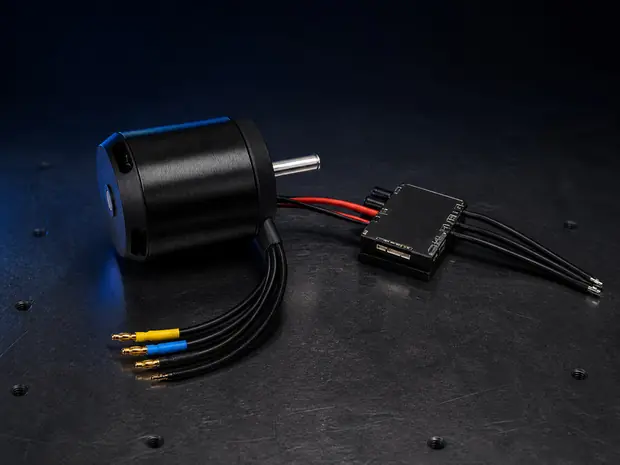
Outrunner and inrunner motors paired with field-oriented drivers, supplied as a matched set so current limits and thermal margins are validated together.
Mobile platforms
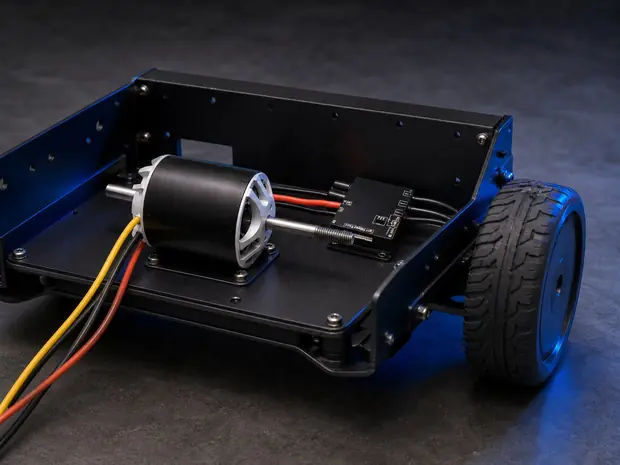
Drive assemblies for autonomous mobile platforms: motor, gearbox, encoder and mounting interface combined into one replaceable unit.
UAV
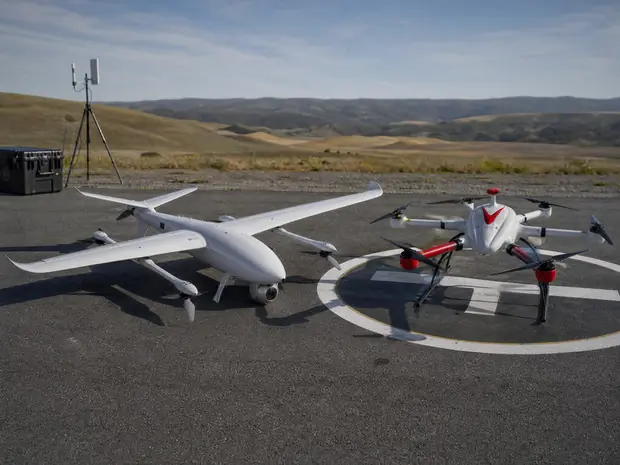
Propulsion sets for multirotor and fixed-wing VTOL airframes: brushless motor, ESC and propeller combined into one set for a defined payload and flight time.
Selection
Three families, one decision. The wrong one is usually the one that needs a housing you have not designed yet.
| Robot joint actuator | Frameless torque motor | Linear actuator | |
|---|---|---|---|
| Delivered as | Sealed module: motor, reducer, encoder, drive | Stator and rotor rings only | Complete push-pull unit |
| Motion | Rotary, geared | Rotary, direct drive | Linear |
| Specified by | Output torque, joint accuracy, duty cycle | Continuous and peak torque, bore, stack length | Thrust, stroke, speed |
| Backlash | Set by the reducer, reported per unit | Zero in the drive path | Set by the screw or belt stage |
| Feedback | Absolute, integrated | Supplied by your system | Internal or external |
| Sealing | IP67 / IP68 as supplied | IP00 — your housing seals it | Up to IP67 |
| Integration effort | Low: bolt on and command an angle | High: you own bearings, housing and encoder | Medium: mounting and linkage design |
| Choose it when | You want one part number to mount | The joint is mass-critical and stiffness matters | The motion is straight, not rotary |
Rule of thumb from our own quoting: if the enquiry includes a joint drawing and a duty cycle, it is a joint actuator. If it includes a bore diameter and a bearing preload, it is a frameless motor. If it includes a stroke, it is a linear actuator.
Solutions
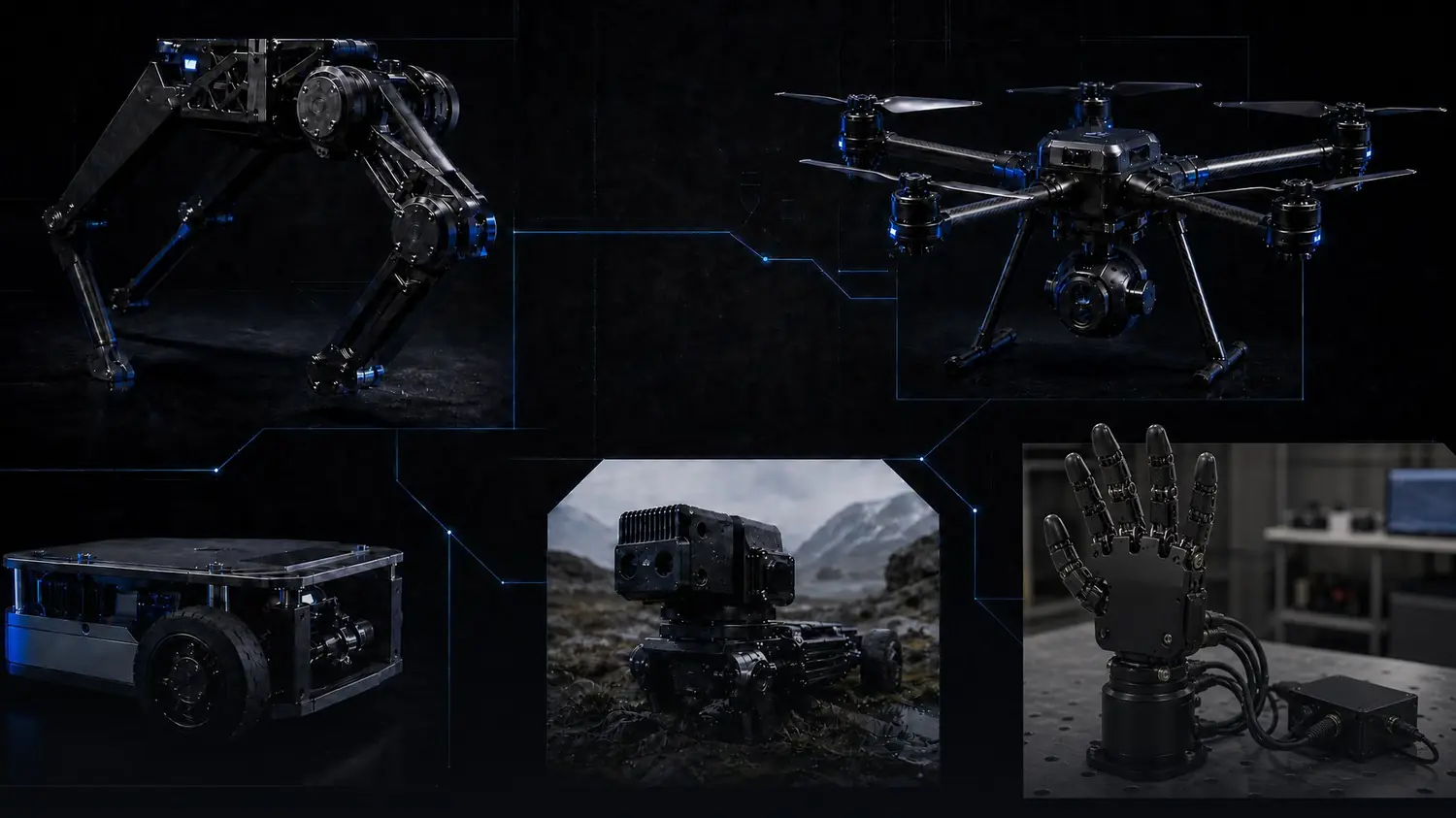
Engineers arrive with a platform and a constraint. Each page below starts with the load case, then narrows to the actuator that survives it.
Resources
Everything needed to specify, mount and drive the hardware, without waiting for a sales reply.
Case studies
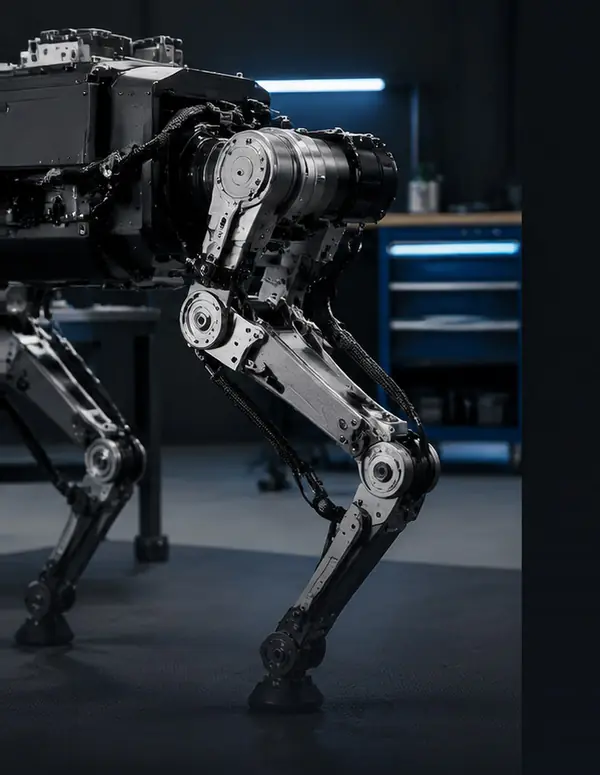
Legged platform
Peak torque sizing, impact tolerance and sealed output stage.
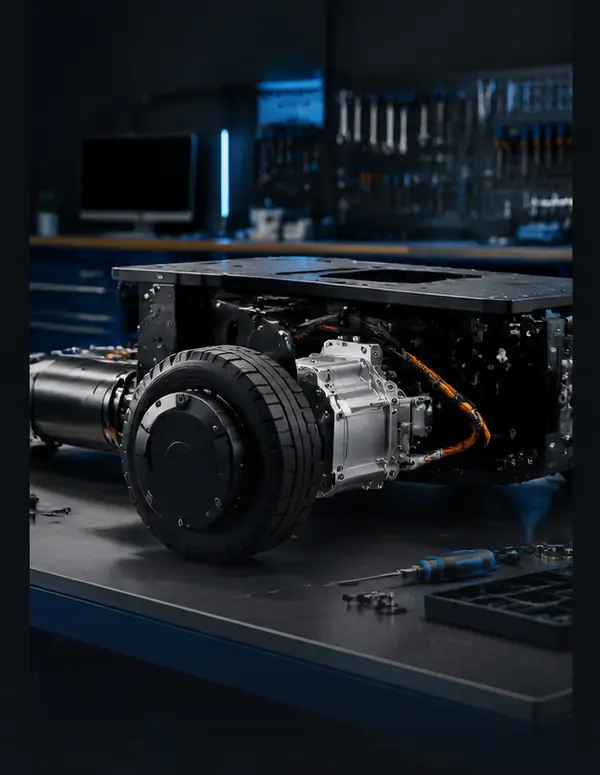
Mobile platform
Motor, gearbox and encoder consolidated into one replaceable unit.
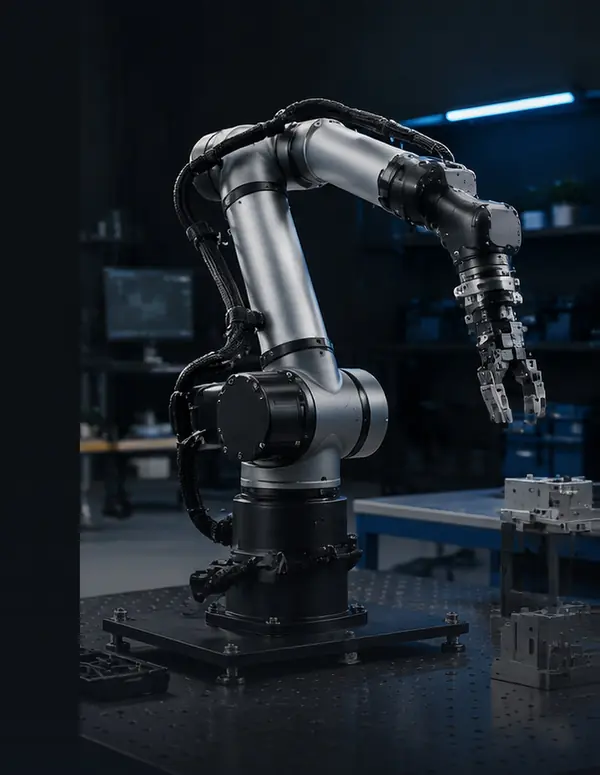
Manipulator
Absolute feedback and protocol change on an existing joint envelope.
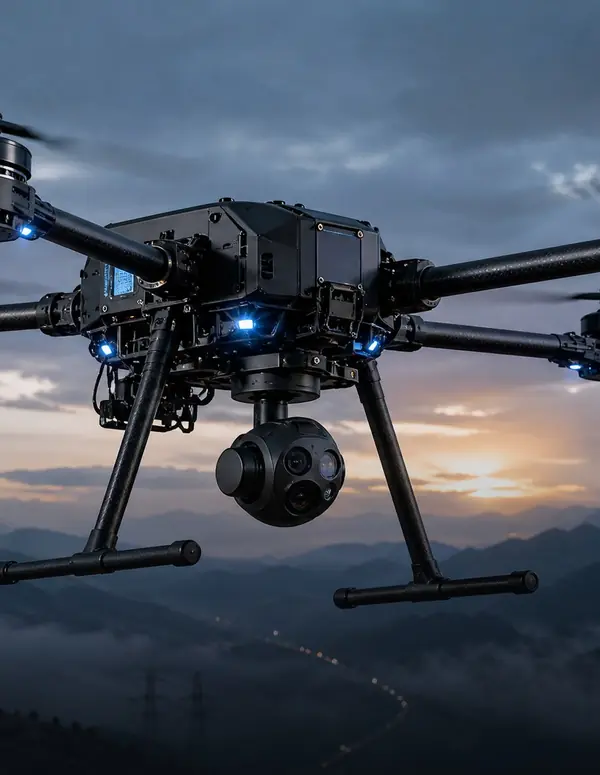
UAV platform
Thrust and thermal margin sized for long-duration patrol over transmission lines and mountain terrain.
FAQ
The nine questions that come up in almost every enquiry, answered with the same detail we would give on a call.
A robot joint actuator is a complete unit: motor, reducer, encoder and often the drive, delivered sealed and ready to bolt to a joint. A frameless torque motor is only the stator and rotor — no housing, no bearings, no output shaft — so you supply the bearing, the housing bore and the encoder yourself.
The joint actuator is faster to integrate. The frameless motor gives a lighter, stiffer joint when your structure can take the bearing load.
Start from the duty cycle, not the part. If the leg needs high peak torque for short impact windows and you want a sealed, replaceable module, specify a joint actuator. If the joint is mass-critical and the leg structure already carries the bearing load, specify a frameless torque motor and design the housing around it.
Both are sized by continuous and peak torque at the joint, never by motor frame size.
Our sealed servo actuator range starts at roughly 2 N·m and runs to about 39 N·m at the output — 20 to 400+ kg·cm in catalogue notation. Joint modules above that are quoted as a custom envelope, because above 40 N·m the limiting factor is usually the reducer and the sealing interface rather than the motor.
Both, but the custom path is our main business. We machine the housing, choose the screw or belt stage, integrate the motor and feedback, and test the finished unit on our own bench.
A custom linear actuator is defined by five inputs: thrust, stroke, speed, envelope and sealing class. If your requirement fits an existing platform we will say so rather than sell you a new design.
A prototype or engineering sample can be built as a single unit. MOQ applies to series production and depends on whether the design is a variant of an existing platform or a completely new envelope — a variant needs far less tooling.
We quote the series MOQ together with the prototype, so the number is known before you commit to the design.
Yes. A custom unit is normally built as a prototype first: machined housing, screw or belt stage selected, motor and feedback integrated, then run on our bench at your duty cycle. The report from that unit is what the series drawing is frozen against.
The prototype is also the cheapest point to change the design — a thermal margin that turns out too tight, or a seal that does not survive the mounting pattern, is a drawing edit at that stage; after tooling it becomes a re-design.
Feedback is absolute, using a magnetic encoder on the output or motor shaft, so position survives a power cycle without homing. Interfaces include PWM, SBUS, RS-485/Modbus and CAN.
We can also expose a bare FOC driver stage if your controller closes the loop itself. Protocol variants are a normal part of an OEM order, not a special project.
Yes. Datasheets, 2D drawings, STEP models, driver source and the IP67/IP68 test reports are published under Resources without a sales call. An engineer should be able to specify, mount and drive the hardware from the documents alone.
Complete sets. A propulsion set is quoted as brushless disc motor, ESC and propeller matched to one payload and flight-time target, because hover thrust, disc loading and the thermal limit at continuous climb are decided together rather than part by part.
Multirotor and fixed-wing VTOL airframes are both supported. The disc motors share the stator and rotor work of our frameless torque motors, and existing UAV part numbers and documentation stay unchanged.
Inquiry
Torque, duty cycle, envelope, sealing class, quantity. With those five we can answer with a specific model and the test data behind it.